Blog
Guides and research for international students - from destination costs to application strategy to understanding your strengths.

Results Day 2026: What Happens Between 08:00 and 13:00
Results are released at 08:00 on 13 August, but a Clearing choice cannot be added until 13:00. The order the morning runs in, what can be done at which hour, and which actions cannot be undone.
UK Student Debt: What the Loan Costs and What the Alternatives Cost
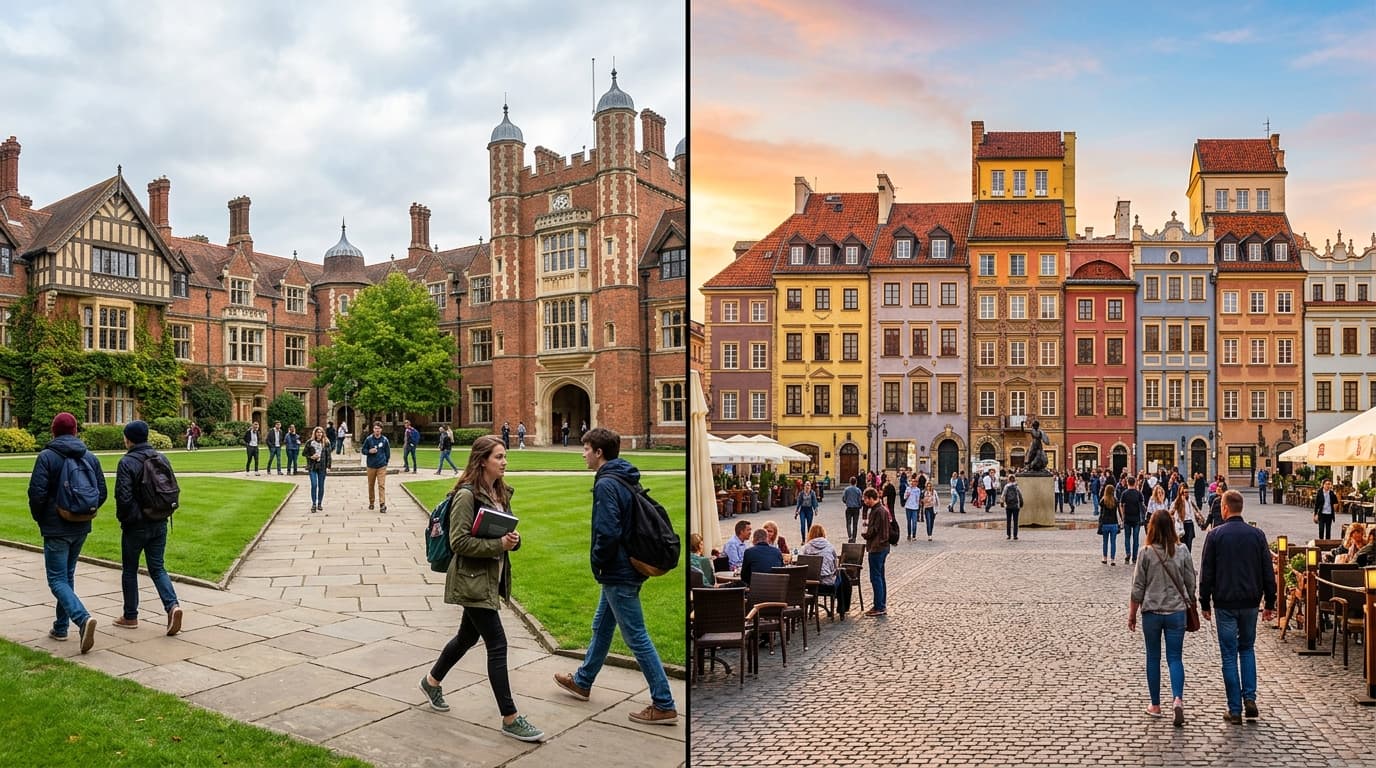
The full Plan 5 repayment mechanics for a 2026 starter in England, set against an English-taught degree at a European public university paid as you go. Fee caps, thresholds, write-off terms and cash outlay, from primary sources.

Miss Your Grades on Results Day? You Have More Options Than You Think
The feeling that everything hinges on one morning is understandable, but it is not the truth. Clearing, a different university, studying abroad, or a gap year and retake: the real landscape of options, laid out calmly.
Which Universities in Europe Accept 30 to 34 IB Points?
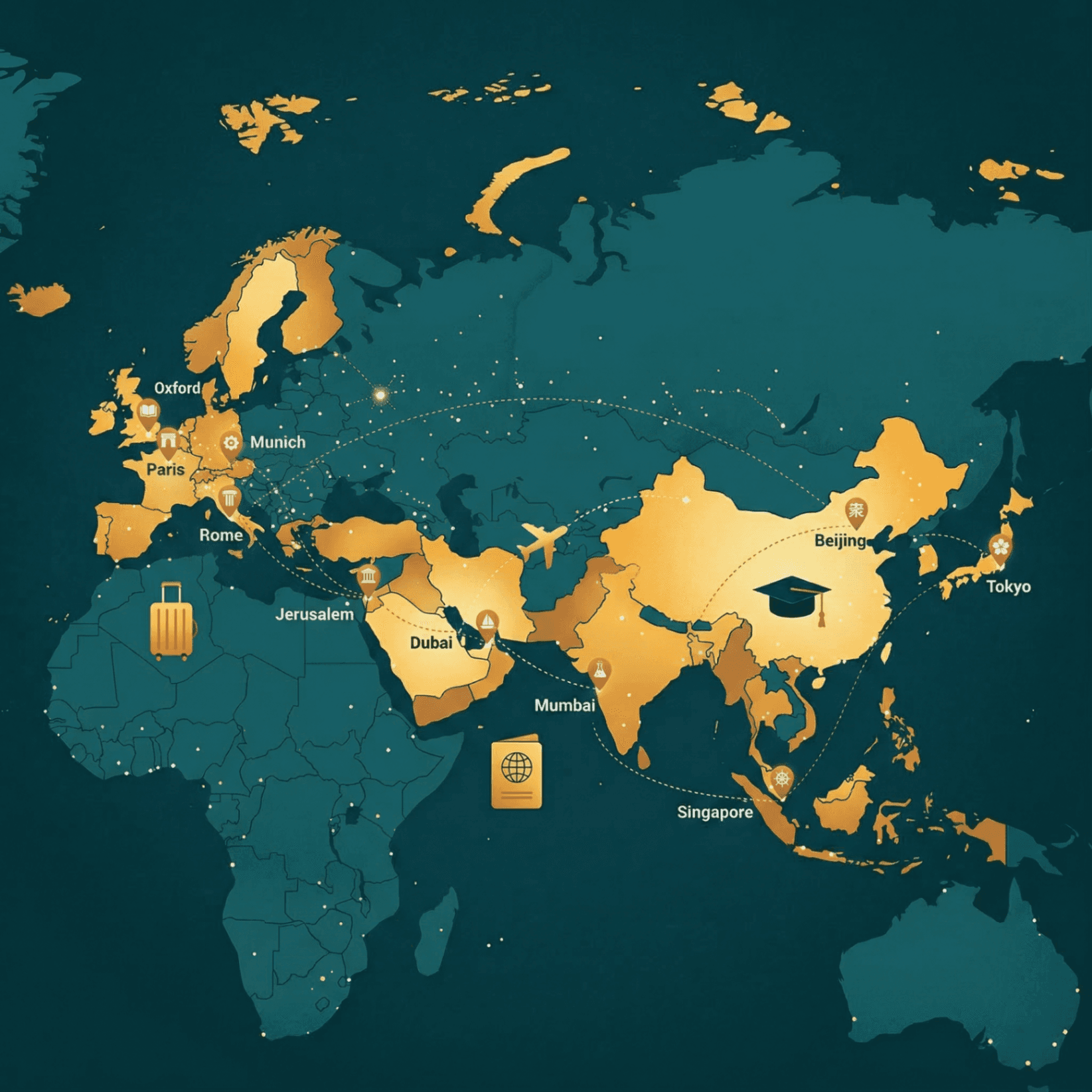
Explore European universities with 30 to 34 IB points: country guides, sourced programme examples, subject requirements and a practical shortlist method.

Best Countries to Study Medicine Abroad: Cost, Entry and Recognition
Czech Republic, Poland, Hungary and Romania offer English-medium medical degrees at a fraction of UK or US costs. How they compare, and how to check accreditation and recognition before you accept.
How to Study in Ireland as an International Student
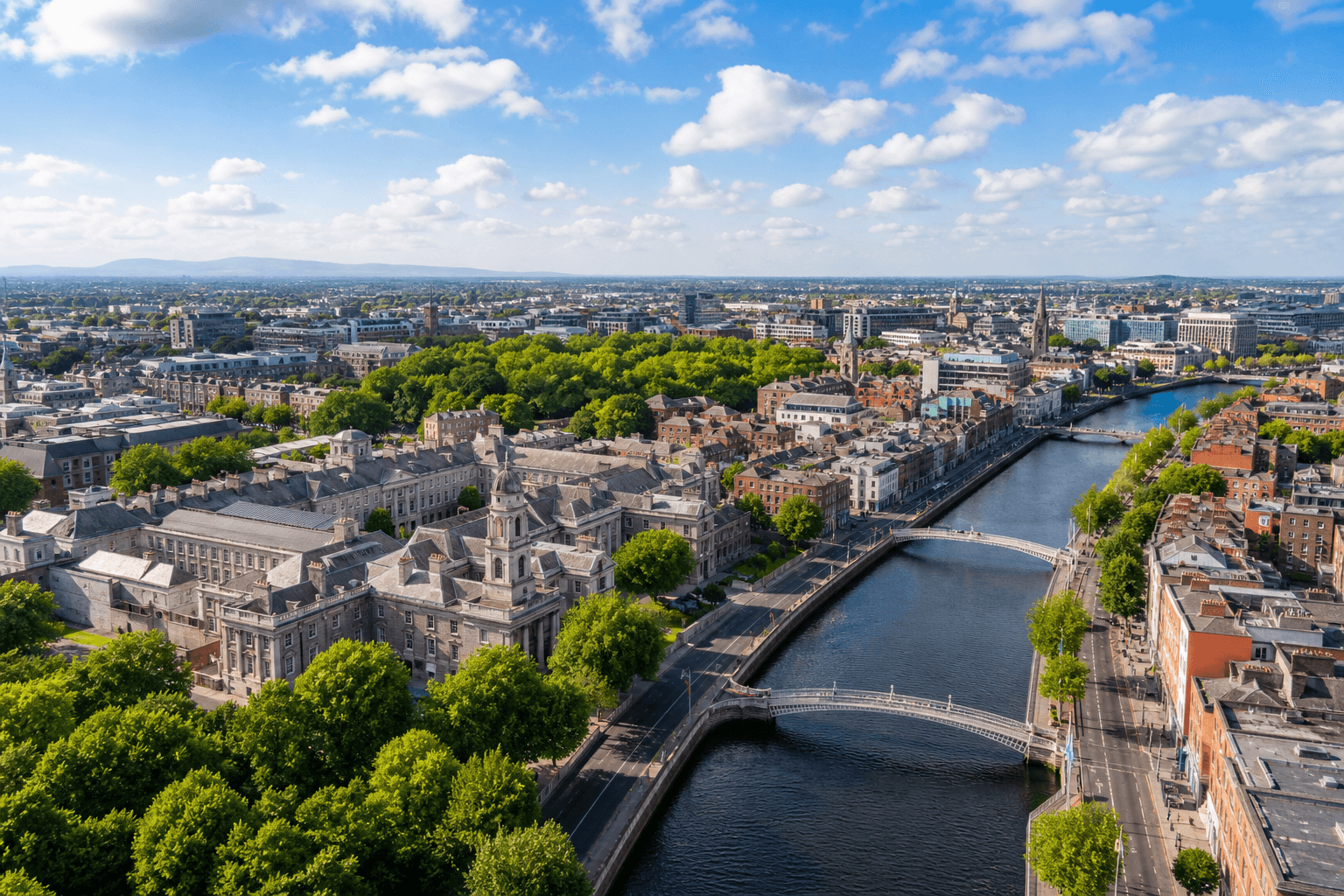
The EU's most fully English-speaking country, a QS top-75 university, and a 24-month post-study work visa. Everything you need to study in Ireland.

How to Study in France: €2,900 at a Public University
Non-EU students pay about €2,900 a year for a bachelor's at a French public university and €3,950 for a master's; EU students pay €178. Grandes écoles and business schools charge far more. What France actually costs, and how to apply.
Studying Abroad from India: What Does It Actually Cost?
Tuition, living costs, scholarships, and hidden expenses across the UK, Germany, Netherlands, Poland, and Malaysia. A country-by-country cost breakdown for Indian students at undergraduate, postgraduate, and doctoral level.
How Many IB Points Do You Need to Study in Europe? 24 to 40, Explained
IB entry requirements vary significantly across European countries and programmes. Here is a country-by-country breakdown for undergraduate applicants, with notes on subject requirements and medicine.

Kazakhstan: The Affordable Education Hub You Haven't Discovered Yet
Kazakhstan hosts 35,000+ international students and offers degrees from around $5,500/year, or free with the Abai Scholarship. Compare Kazakh universities, UK branch campuses, and government scholarships.
The Complete University Application Checklist for International Students
Applying to university abroad involves more steps than most students expect. This complete checklist covers every stage - from self-assessment to arrival.

How to Study in Germany as an International Student
Public universities with almost no tuition fees - even for international students. Everything you need to know about studying in Germany, from application to arrival.

How Much Does It Cost to Study Abroad in 2026?
From a few thousand euros a year in Polish tuition to £35,000 or more in the UK. A realistic budget for an international student, category by category - here are the real numbers, country by country.
What Is the Holland Code (RIASEC) Test - and How Does It Help You Choose a Degree?
The RIASEC psychometric assessment is one of the most widely used tools in career and study counselling. Here is what it measures and why it matters for university choice.
Why Study Engineering and Science in Warsaw?
Poland's capital is home to technical universities with English-taught engineering degrees, non-EU tuition from about €4,700 a year, and a growing tech sector - here is what international students need to know.
A-Level vs IB: Which Is Better for International University Applications?
Choosing between A-levels and the IB Diploma? Compare how each qualification is recognised by universities in the UK, Europe, GCC, and Asia before you decide.

How to Study in Türkiye as an International Student
Türkiye Bursları offers one of the world's largest fully funded scholarships. Here is everything you need to know about studying in Türkiye as an international student.

How to Study in Poland as an International Student
Affordable tuition, NAWA scholarships, and 1,000+ English-taught programmes. Here is a practical guide to studying in Poland as an international student.
How to Study in the Netherlands as an International Student
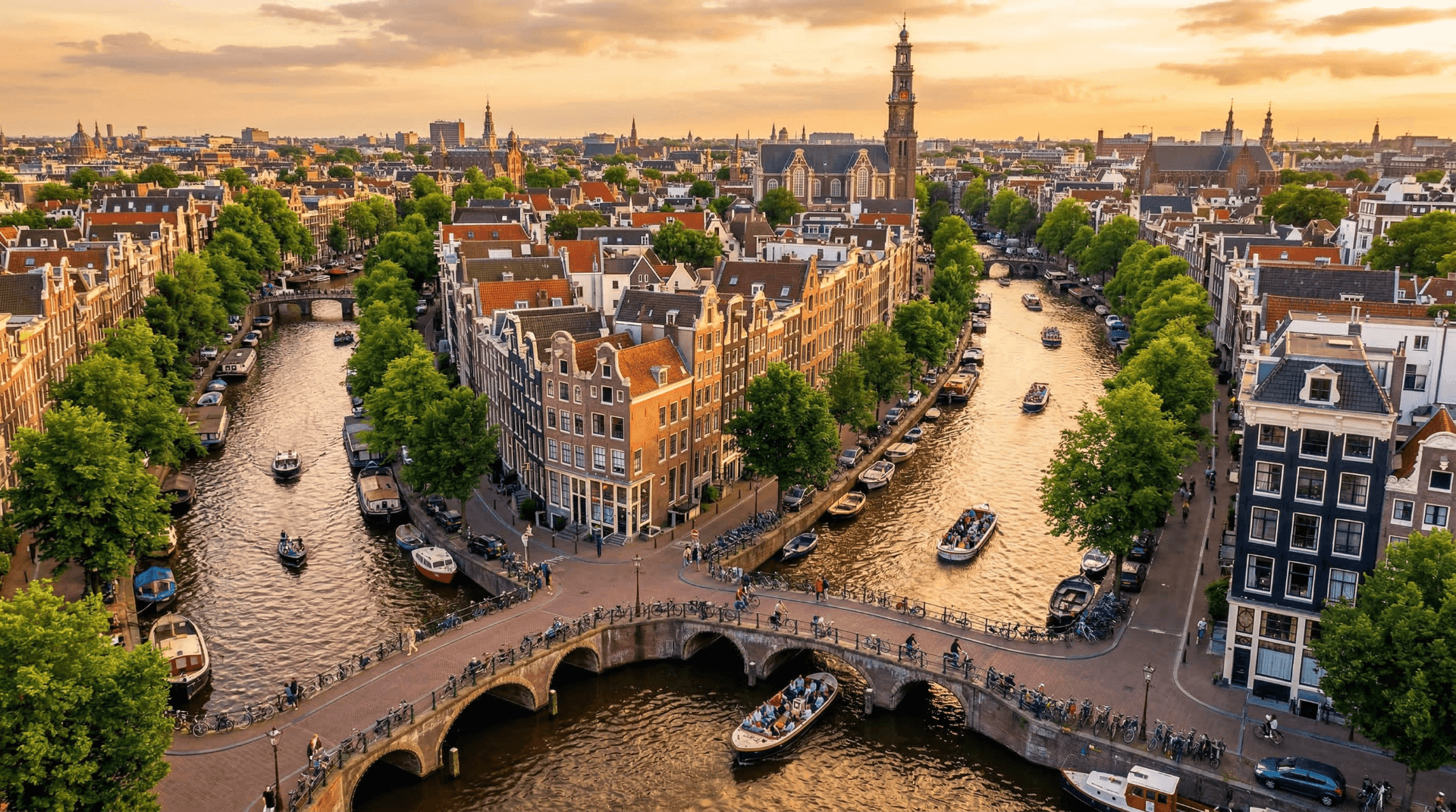
Over 2,100 English-taught programmes and an Orientation Year visa. Here is what you need to know to study in the Netherlands.

UK vs Germany for International Students: Which Should You Choose?
UK or Germany? Compare tuition fees, post-study work rights, language requirements, and quality of life to make the right study abroad decision.
Can I Become a Solicitor in England and Wales with a European Law Degree?
Since 2021, the SQE has replaced the old QLD route to qualifying as a solicitor in England and Wales. Here is what this means for students with a European law degree - and where the limitations still apply.